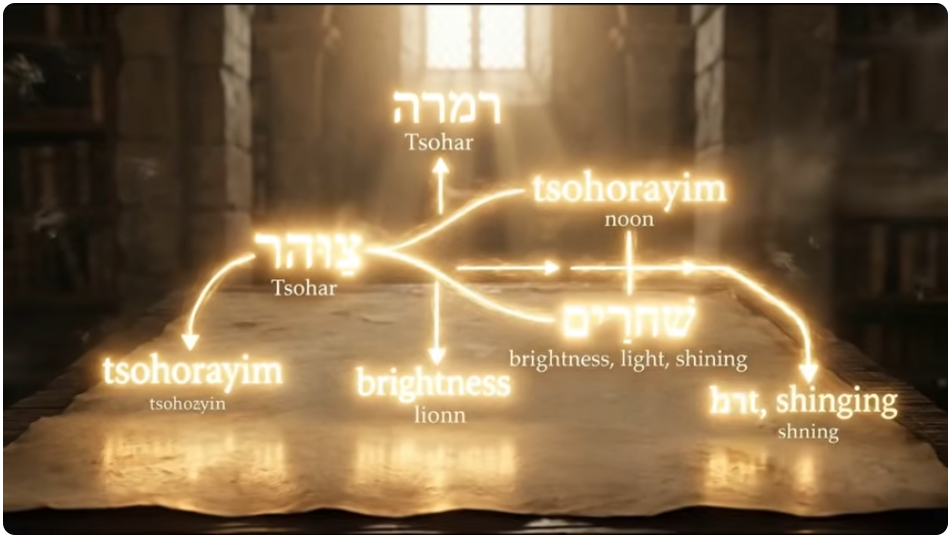
The Flood did not cleans the world of _sin_ - it killed the Nephelim (and Irin)
and their
demonic offspring.
https://www.bible.ca/ark/noahs-ark-dimensions-size-120-years-time-to-build-75-years.htm
https://versebyverseministry.org/bible-answers/how-long-did-noah-take-to-build-the-ark
https://youtu.be/DSoh8PkDvRg
Genesis 6:9
(KJV) "These are the generations of Noah: Noah
was a just man and
perfect in his generations, and Noah walked with God."
Nope - the actual Hebrew: נֹ֗חַ צַדִּ֛יק תָּמִ֥ים בְּדֹֽרֹתָ֑יו נֹֽחַ׃ הִֽתְהַלֶּךְ הָֽאֱלֹהִ֖ים
Literally means: "Noah
just complete/innocent/sound
period/sometimes "generation"
Noah to come/to
go God"
So, the JKV is wrong with "Noah was perfect" or even "righteous" - -
it's "Noah was complete/innocent/sound". NOBODY is perfect!
NOTE: "2 of a kind” is not correct. Noah took SEVERAL of a kind of
clean animals - for food, and for sacrifice. Remember, they were
in the "Ark" for well over a year. Food and water - for 8 people - for
well over a year.
Genesis 8:20


NOTE: Not to be confused with The
Ark of the Covenant, "Noah's Ark" - as it's called ... but the
actual
Hebrew word is אָרוֹן ("ha-teivah"), which means "the large box" or
"the chest" - as "ha" means "the".
(the Ark of the Covenant is an “aron”, which means chest). It
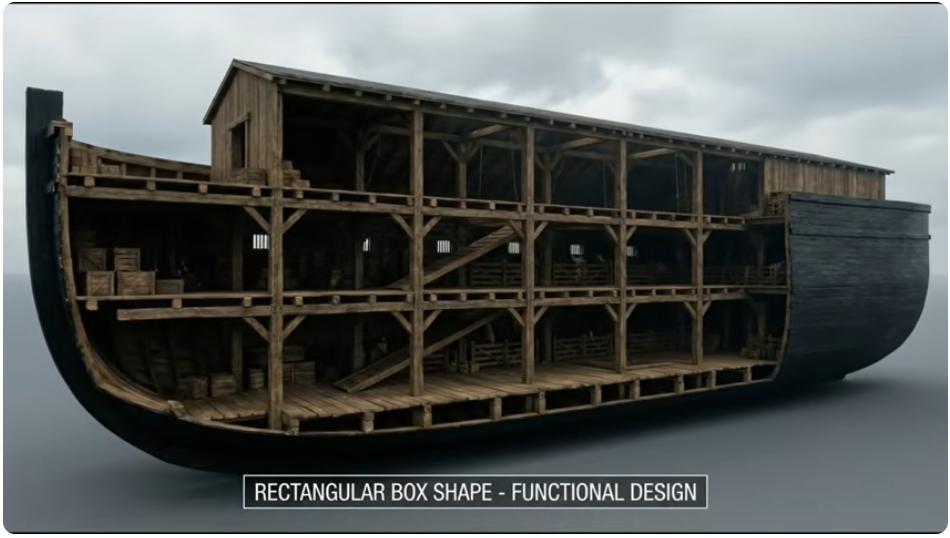
probably did not look like a boat - with a bow. Not to mention that
would be *far* more difficult to build. ... is actually in
Armenia
(Middle-East, but views itself as a part of Europe):
Noah (meaning "rest") was age ~500 when
he
began to build The
Ark; it took him between
75 and 100 years to build it. His age was 600.
Although Genesis 5:5 states Adam lived 930 years, most Scholars
agree that "Eve" lived 1200 years
The Hebrew actually reads (Gen 5:5) "the
whole day the
first man a 9
hundred 30 a
year to die"
Then it started to decline... now age 80 is "old".
Indeed, the curse was correct: "If you partake of the knowledge of good
and evil (remove your innocence), you will start to
die". We did!
Our life span is MAYBE 70-90 now - but it used to be well over 1000
years! See my "age" section.
Genesis 7:20
הַמָּ֑יִם גָּבְר֖וּ חֲמֵ֨שׁ אַמָּה֙ מִלְמַ֔עְלָה הֶהָרִֽים׃ וַיְכֻסּ֖וּ
waters to be
strong 5 an
ell*/a cubit
above
mountain to cover
KJV: 15 cubits upward did the waters prevail; and the mountains
were covered. (incorrect: חֲמֵ֨שׁ means "5", not "15")
NASB: The water prevailed 15 cubits higher, and the mountains were
covered. (also incorrect.)
NOTE 1: The Greek translation on-line - which states "15" is a
translation that is REVERSE ENGINEERED from
the English translation. Go to the ORIGINAL Hebrew - not translations
- of translations!
* NOTE 2: "Ell"
An ell (from Proto-Germanic * alinō, cognate with Latin ulna)
is a European unit of measurement, originally understood as "a cubit"
(the combined length of the forearm and extended hand). The word literally
means "arm", and survives in the form of the modern English word
"elbow" (arm-bend).
AFTER the flood, another mis-translation:
The Hebrew word בְּשִׁבְעָה־ means "at seven",
not
"seventeenth".

https://www.icr.org/article/resource-for-answering-critics-noahs-ark/
The book, Noah's Ark: A Feasibility Study, will answer many questions
which both scientists and laymen have about the function of Noah's Ark.
It shows that the Scriptural teachings on the global Flood and the Ark
are completely reasonable. The believer can hold full confidence in the
integrity of the word of God.
Mr. Woodmorappe holds M.S. degrees in biology and geology and maintains
active research in these fields.
Also, Genesis 7:3 clearly states that the PURE animals
were "by sevens": shiv'ah (7).
And the
original Hebrew does NOT state "a male and his female", but rather
"man woman". Note: "ish" means "man", not
male. ve'ish-tov" means woman/wife".
I do also realize that confirmation
bias and eisegesis makes the
antagonists want it
DISPROVEN, and confirmation bias (and The Illusory Truth Effect) also
makes the supporters of
the Ark - want it to be proven true.
Genesis, chapter 5, gives the genealogy from Adam to Noah,
and in verse
32 we read that Noah was five hundred years old and begat Shem, Ham,
and Japheth.
We read in Genesis 11:10: “This is the genealogy of Shem: Shem was 100
years old, and begot Arphaxad 2 years after the flood.”
This leads to
the conclusion that Shem was 98 years old when the flood ended, and 97
when the flood began. In Genesis 7:11, we are told that the flood
began in year 600 of Noah’s life, meaning that he must have
fathered Shem when he was 503. We understand from Genesis 6:18
that God did not instruct Noah to build the ark after his sons
were born, and after they had wives of their own. Let's make an
assumption (which we have to do as Scripture
does not give exact dates)
that Noah fathered his 3 sons in 3 consecutive years which
would mean that his last son would be born when he was 505 years old.
We have to make further assumptions as to the age when his sons
married. Let's say that Noah’s 3 sons were around 20
years old when they married; this would mean that Noah would be around
525 when God instructed him to build the ark. Noah was 600 when
the flood came and this would mean that the building of the
ark could not have taken much more than 75 years - not the 120 years
that
some have assumed. In fact, this figure could be less if
the assumptions made about the birth of the 3 sons was not as quick
as calculated and the age that they married was greater than the
assumed age of 20.
God must have first spoken to Noah at age 480
-- Noah sired sons from the age of 500
-- His 3 sons were married
-- God gave the commission to Noah to build the ark for
“you, your sons, your wife, and your sons’ wives with you.”
-- Noah was 600 when he entered the ark
-- The 120 years of God’s patience with mankind at that
time ended when Noah entered the ark at age 600
-- The maximum time that it took to build the ark would
be 100 years
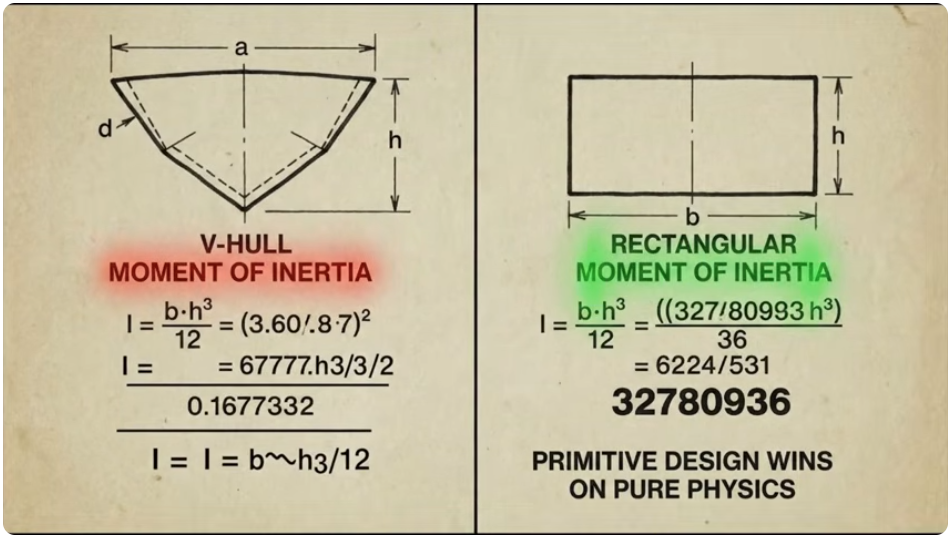
Note: 30 cubits ( m) high, 3 levels ... with the thick wood to hold up
the
animals, that's 12m (40 ft) - divided by 3 + wood support
Noah's family
Both the Tanakh and the Brit Chadasha state that 8
souls were saved,
which specifically listed Noach's wife and 3 daughter-in-laws as 4 of
the eight souls saved. Clearly, those women
were
_not_ forgotten or
left out of Scripture.
Animals in the Ark
How many animals did the Ark save from the flood? There are several
different estimates for the number kept from the floodwaters. The book
"The Genesis Flood" estimated that approximately 35,000 creatures were
on board the ship. In another book, "Noah's Ark - A Feasibility Study"
by John Woodmorappe, it states that only about 2,000 animals would need
saving.
Could a ship like the Ark be built, more than 4,000 years ago, that
could accommodate (for the sake of argument) a conservative number of
40,000 animals?
Many biologists state that the average size of most vertebrates is the
size of a sheep. The living space each sheep needs is 11.12 cubic feet
(.31 cubic meters). When we multiply 40,000 by 11.12 cubic feet we
arrive at 445,000 cubic feet total (12,601 cubic meters). Given that
the total volume of the ship God commanded to be built was
conservatively 1.5 million cubic feet (42,475 cubic meters), the Ark
would be less than 30% full with lots of room to spare for the animals!
The Ark
How Noah REALLY Built The Ark: The Engineering Mystery REVEALED
https://youtu.be/S9O-YDceNro
Genesis 6:14
Make thee an ark of gopher wood; rooms shalt thou make in the ark, and
shalt pitch it within and without with pitch.
Genesis 6:15
And this is the fashion which thou shalt make it of: The length of the
ark shall be three hundred cubits, the breadth of it fifty cubits, and
the height of it thirty cubits.
NOTE:
"Gopher" is close to the ancient "Kopher"- meaning “squared wood” - or
"processed" (cut to square).
Most PhDs have deduced it as processed cypress wood. Cypress has
oils inside, and therefore resistant to rot.
a kind of tree or wood (as used for building), apparently the cypress
Genesis 6:14
The word for "pitch" is כָּפַר pronounced
"kaw-far" - to cover (specifically with bitumen: tar/oil) and the
ancient word that is close - means "The word means “squared wood” -
processed (cut to square).
Most PhDs have deduced it as processed cypress wood. Cypress has
oils inside, and therefore resistant to rot.
Nowadays, we think of pitch derived from oil or coal, but European
shipbuilders sealed vessels for many centuries by using pine-tree
resin. Resin was obtained via a herringbone pattern of cuts gouged into
a tree trunk and collected in a pot. The trees were then chopped down,
covered in soil or ash, and burned slowly to produce a lightweight
black pure form of carbon called charcoal. The last step was to add the
powdered charcoal to the boiling pine resins. Pitch produced by such
methods was used to waterproof large ocean-going wooden ships.
Genesis 6:16
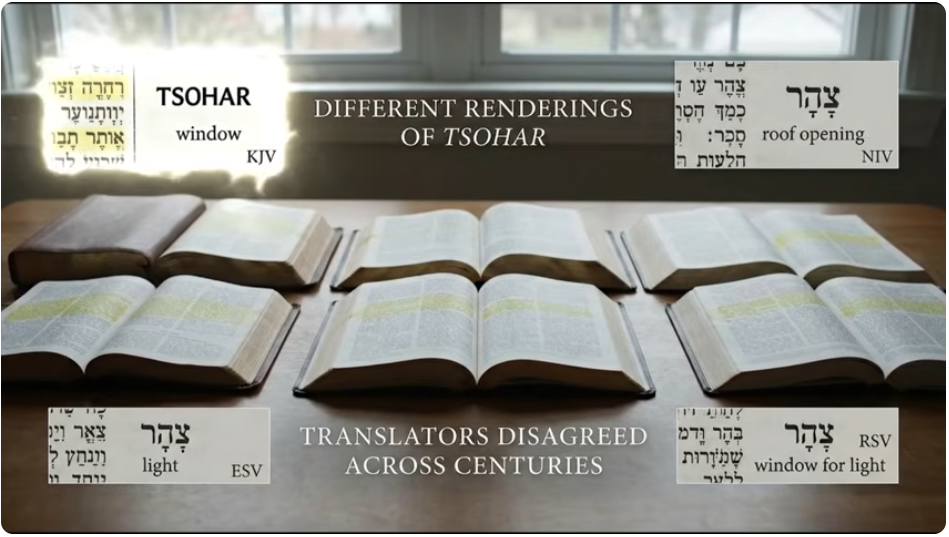
"Make a window..."
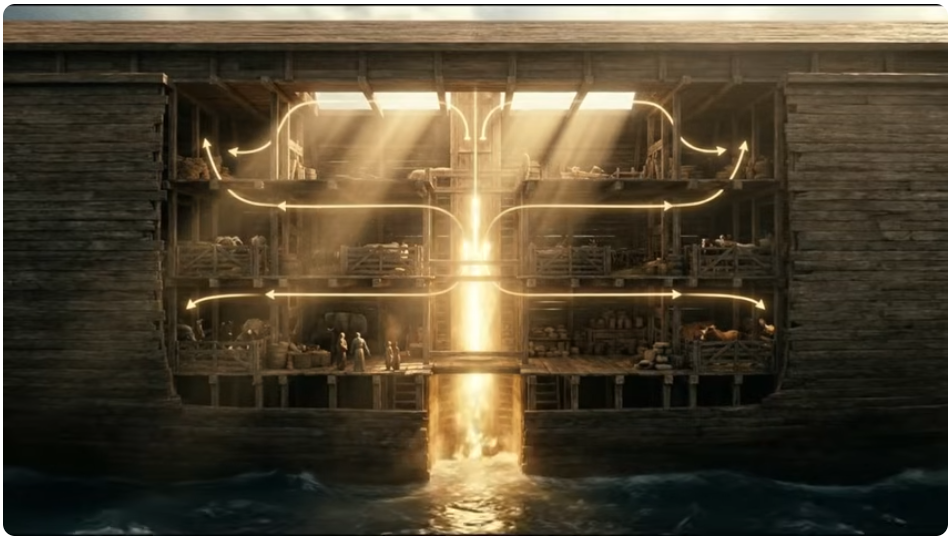
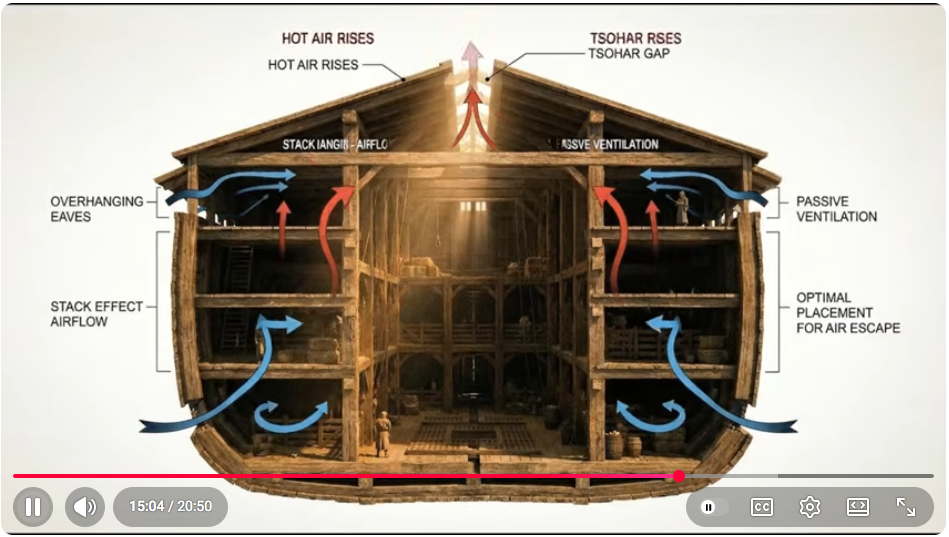
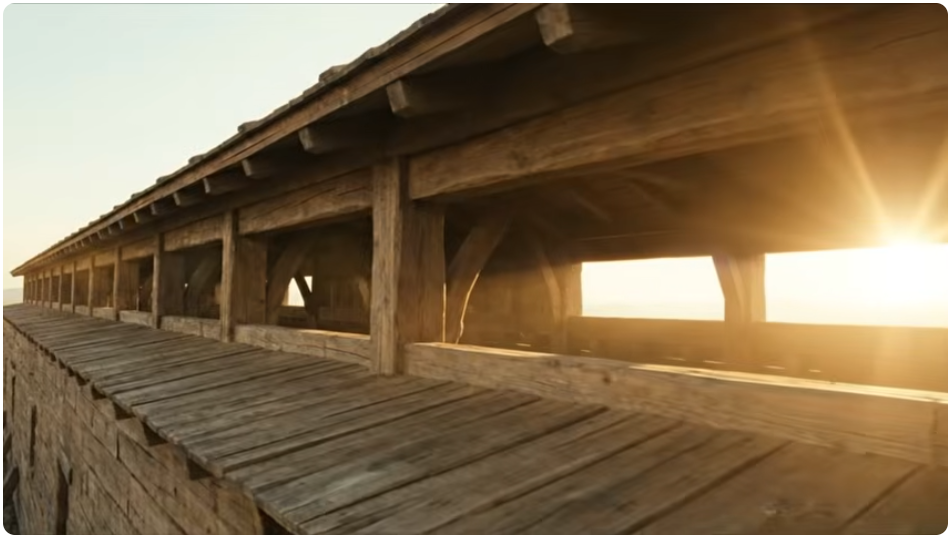
NOPE. Make a VENTILATION SYSTEM.
1 cubit (.5m) high.
Genesis 6:16 - the original Hebrew:
תַּעֲשֶׂ֣ה צֹ֣הַר לַתֵּבָ֗ה תְּכַלֶ֣נָּה אַמָּה֙
מִלְמַ֔עְלָה תָּשִׂ֑ים וּפֶ֥תַח הַתֵּבָ֖ה הַתֵּבָ֖ה תַּֽעֲשֶֽׂהָ׃
תַּחְתִּיִּ֛ם שְׁנִיִּ֥ם וּשְׁלִשִׁ֖ים
Means: "do/make roof/skylight
box/chest to be complete/at an end
an ell/a cubit above/upwards to
put/place
opening/doorway/entrance
box/chest a side
do/make lower/lowest
second third"


Genesis 4:22
Noah was NOT "Primitive". Metallurgy had long been perfected. Tubal-Cain gave precedent knowledge to Noah.
Genesis 7:6
Genesis 7:11
Noah was 600 years old when the flood came. 600 years, 2 months,
7 days - all entered the ark.
All translations incorrectly state "17", but it's "7": Sheva.
Genesis 7:10
7 days the water come
Genesis 7:12
40 days and 40 nights
Genesis 7:15
THEN the animals went 2 by 2. AFTER the waters came???
Genesis 7:16
GOD closed the huge door behind them. It would have had to be
pretty high.
Genesis 7:17
THEN the flood came - for 40 days (not "Nights"??)
Genesis 7:18
The box floated - nope - וַתֵּ֥לֶךְ means
"to go/come/walk"
Genesis 7:19
All the high mountains everywhere - were covered.
Genesis 7:20
"The waters to be
strong/mighty 5 a
cubit above mountains
to cover"
The translations incorrectly state "15", but חֲמֵ֨שׁ
("cha·mesh") means "5".
Genesis 7:21
"All mankind" is actually "all the men":
הָאָדָֽם׃ ("ha·'a·dam")
Genesis 7:24
The water was strong and mighty - 150 days
וּמְאַ֖ת חֲמִשִּׁ֥ים יֹֽום
(u·me·'at) : hundred
(cha·mi·shim) fifty (yo·vm.) day
Genesis 8:1
God made a wind/breath - to dry up the water.
Genesis 8:2 (BIG key here!)
מַעְיְנֹ֣ת תְּהֹ֔ום וַֽאֲרֻבֹּ֖ת הַשָּׁמָ֑יִם וַיִּסָּֽכְרוּ֙
הַגֶּ֖שֶׁם הַשָּׁמָֽיִם׃ וַיִּכָּלֵ֥א
"springs deep/abyss
chimney/window shut
rain the heaven/sky withhold"
Genesis 8:3
At the end of 150 days, the water receeded.
Genesis 8:4
7 new moon/month
7 day the box/chest to
rest mountain ararat
So, add 7 months, 7 days
Genesis 8:5
water decreased until month 10, day 1 - the mountain
tops became visible.
Literally: 10 new moon/month
10 1 new moon/month
head mountain to see"
Genesis 8:6
end 40 day to
open a window (did they have class then??)
Genesis 8:7
sent out a raven (not a dove!) - no time given for bird flying around -
did it come back??
Genesis 8:8
sent out a dove, it came back - no time given for bird flying around
Genesis 8:10
He waited another 7 days and sent the dove out again
Genesis 8:11
The dove came back - with an olive branch. By the way, how long
would it take an olive tree to grow - in a high mountain?
Genesis 8:12
Waited another 7 days, and the dove did not return - but the original
Hebrew states "to turn back", NOT "not to turn back". Also ,"to
him again' is actually "to add".
Genesis 8:13
601 year, 1 month - it was dried up. So, it took 1 year, 1 month
on the ark.
Genesis 8:14
2 months 20 days, the earth was dry.
Genesis 8:16
God told Noah to exit
Genesis 8:17
brings all the animals out. Again, on a high mountain - creepy
things, tropical animals ... and go multiply (to the animals)
Genesis 8:20
Noah killed all clean animals and birds - for a sacrifice
Genesis 8:21
I will never again destroy every living thing
Genesis 8:22
planting/harvest, seasons, day and night - shall continue
Genesis 9:1
and go multiply (to the humans)
Genesis 9:2
fear and terror will be on every living thing and human. It ends
with "hand to give"
Genesis 9:3
Every alive thing is your food, and every green herb/herbage
Genesis 9:4
The Hebrew states: "surely to eat
flesh a living being/soul blood"
Translated: "Only you shall not eat flesh with it's life, that is it's
blood."
Genesis 9:5
Translated: "And for your lifeblood I will require a reckoning: from
every beast I will require it and from man. From his fellow man I will
require a reckoning for the life of man."
WHAT does THAT mean???
The original Hebrew means "surely
seek blood
all seek the
man man a
brother seek living
being/soul the man"
Genesis 9:6
Translated: "Whoever sheds the blood of man, by man shall his blood be
shed, for God made man in his own image."
The original Hebrew means "to pour the
man blood
mankind blood to
pour an image
God make the man"
Genesis 9:7
go multiply
The next 5 are redundant of these last 4.
Genesis 9:13
the "rainbow" - which is קַשְׁתִּ֕י ("kash·ti") -
meaning "archer/arrow/bowman" - NOT a rainbow. "a cloud mass" is
indeed there.
Genesis 9:14
when I bring a cloud over the earth, the bow will be seen
Genesis 9:15
redundant of "I will never again destroy..."
Genesis 9:16
redundant of "when you see a bow..."
Genesis 9:17
redundant
Genesis 9:20
Then Noah began farming
Genesis 9:21
He got drunk and naked in his tent
Genesis 9:22
Ham saw him and told his brothers
Noah cursed his youngest son for covering him up, and made him a
servant for his brothers. Such LOVE!
One would THINK that the other brothers would refuse his slavery.
Genesis 9:28
NOAH LIVED 350 years after the flood.
The math looks like 600 + 101 + 150 = 851
The book "The Genesis Flood", is possibly the most respected book on
the flood, written by Whitcomb and Morris.
Joke:
Why did it take 100 years to build the Ark?
Noah kept having to
gopher wood.
Methusula, the oldest living man and Noahs grandfather, lived 969
years. His name means, "his death shall bring". It was foretold
Methusula's death was going to bring judgement. The flood came 7 days
after Methusula died. 7 days of mourning. There were also heavy ballast
stones found at the site of the ark. Ballast stones weighing hundreds
of pounds each provided superior stability in the water even during
rough seas.
How many people survived the Great Flood according to the Bible?
Noah, his wife, their 3 sons (Shem, Ham, and
Japheth), and their
wives. The total was 8 - well, assuming each had only 1 wife.
That would not be PC or historically accurate, but let's "go with
it"... Also, how did their children have children?
And then those grandchildren have children??.
Only 8 people survived the global Flood
1 Peter 3:20 (correctly pronounced “One Peter”)
"Which sometime were disobedient, when once the longsuffering of God
waited in the days of Noah, while the ark was a preparing, wherein few,
that is, 8 souls were saved by water."
Saved BY water??? Helloooooo???
I think they meant “saved FROM water”. next, the actually
original Greek is:
ὀκτὼ ψυχαί διεσώθησαν δι’ ὕδατος
Pronounced: "ok-TO
psoo-khay dee-ah-SO-zo
dee-ah HOO-dor"
Literally: “8
breath/the soul to save/to
preserve/to bring safely
through water”
So, the preposition ISN’T EVEN THERE!!
Genesis 9:11
The flood - never again
(KJV) "And I will establish my covenant with you; neither shall all
flesh be cut off any more by the waters of a flood; neither shall there
any more be a flood to destroy the earth."
Original hebrew: וְלֹֽא־ עֹ֖וד יִכָּרֵ֧ת מִמֵּ֣י הַמַּבּ֑וּל
וְלֹֽא־ עֹ֛וד מַבּ֖וּל לְשַׁחֵ֥ת הָאָֽרֶץ׃
Means: "not a going
around/continuance/again/beside to cut off or
down waters the
deluge [an overflowing of the land by water/a very large amount of rain
or water/to cover something with a lot of water]
not a going
around/continuance/again/beside a deluge
to decay/ruin/perish/spill the earth/land"
If the growth rate in the pre-Flood world was equal to the growth rate
in 2000 (0.012), there could have been about 750 million people at the
time of the Flood. However, given the extremely long lifespans prior to
the Flood, the growth rate could have been much higher. Increasing the
rate by just 0.001 would put the population at close to four billion at
the Flood.
The Bible (Genesis 6–9) describes a worldwide flood (the Noachian
Flood) covering even the highest mountains of the earth and the
construction of a huge boat (a rectangular box-like craft) that
transported animals, at least 2 of a kind of all land animals on the
earth. The Qur'an (Suras 11 and 71) has almost a duplicate story with a
similar huge boat that transported animals and a worldwide flood. In
addition two older stories exist in ancient Babylonian epics that
describe a huge flood. One is the Epic of Gilgamesh, describing a flood
on the Euphrates River. The other is the
Epic of Atrahasis, which has a huge flood on the Tigris River.
Rocks on all continents are layers of evaporite rock salt (sodium
chloride), gypsum (hydrated calcium sulfate), anhydrite (calcium
sulfate), and various potash and magnesium salts, which are associated
with red beds (shales) containing fossilized mud cracks.
Many of these mineral compounds and red beds have combined thicknesses
on different continents of more than 1 kilometer (~3,281 feet)
(Collins 2006). The red beds are red because they contain red hematite
(iron oxide) which formed from magnetite grains that were oxidized
while the muds were exposed to oxygen in open air. The mud cracks can
form only under drying conditions that cause the mud to shrink and form
polygonal cracks. The evaporite mineral compounds in the layers are
deposited in the correct chemical order predicted by the solubility of
each kind of ion in these compounds and whose increasing concentrations
during the evaporation of water would cause them to precipitate in a
predictable depositional sequence as the water volume decreased. Such
evaporite deposits would be expected to occur where a marine sea was
once present and to disappear when the sea became completely dry.
Therefore, one could expect these evaporites to be at the top of the
supposed Noachian Flood deposits when the water supposedly receded and
the land dried out, but certainly not in different levels in between
older and younger fossiliferous "Flood deposits".
We read in the Bible that there is only one time in which the Flood
waters are said to recede and leave the earth dry. That is, no multiple
worldwide climatic conditions are described in which flooding, then
drying to a dry earth, more flooding, more drying to a dry earth, in
repeated cycles that occur over and over again in that Flood year. On
that basis, it is logical that all the kinds of evaporite deposits and
red beds in many different levels in the supposed Noachian Flood
deposits could form only in local climates with desert
drying-conditions and could not possibly have formed all at the same
time — a time when a flood covered the whole earth for more than one
year (Collins 2006). On that basis, the Noachian Flood story cannot
describe a whole-earth flood, but it could only represent a large
regional flood.
Regional Evidence for the Noachian and Similar Floods
Two rivers, the Euphrates and Tigris flow through Mesopotamia, which is
now the country of Iraq. There are several layers in exposed
rocks near these two rivers in southeastern Mesopotamia (Iraq) that are
likely flood deposits. Most are about a foot (0.3 m) thick, but one is
as much as 3 meters thick (MacDonald 1988). Flood debris from this same
thick deposit along the Euphrates River near the ancient Sumerian city
of Shuruppak about 200 km southeast of Baghdad has been dated by the
C14 method, giving an age of 2900 BCE (Best nd). Flood deposits 2.4
meters feet thick are also reported by MacDonald (1988) as far
northeast as the ancient Babylonian city of Kish (120 km south of
Baghdad). At any rate, the many flood-deposit layers show that flooding
in southeastern Mesopotamia was not unusual in ancient times.
Similar large local floods are common throughout history around the
world. For example, monsoon storms in Bangladesh frequently produce
much rain over the country and in the Himalaya Mountains, which rise in
the northern part of the country (Anonymous nd-b). Runoff of water from
the rain and melting snow during such storms create great floods in
four rivers that converge to the Wang River, which then drains into a
huge delta in the Bay of Bengal (Anonymous nd-b). Thousands of people
have been drowned in this delta region by many such floods during the
last century. Almost every culture through history has a flood story to
tell, as would the people in Bangladesh, but in each of these times and
places, the floods would have been local and not worldwide.
Many creationists have pointed out that the Bible indicates that God
promised not to cause another huge flood to occur and, therefore, there
cannot be any floods that are similar to the Noachian Flood (Genesis
9:13–15). Therefore, the geological record should show at least one
unique flood event that is different from all the large regional floods
for which there is geological evidence.
Natural levees along the Euphrates and Tigris Rivers rise up to 4 to 5
meters above the river channels, and the surface of these levees slope
gently away from the rivers for 5 to 8 km toward lower, adjacent,
nearly-flat flood plains that are up to 105 km wide (Tactical Pilotage
Chart TPC G-4C, H-6A, and H-6B). The people living in Mesopotamia in
biblical times would have had their villages on the natural levees
because the flood plains would have been swampy.
What Happened During the Flood?
The watershed for the Euphrates and Tigris Rivers on which the flood
could have occurred extends for more than 1600 km from the Persian Gulf
through Mesopotamia into Syria and Turkey and laterally for about 1000
km from eastern Saudi Arabia to southwestern Iran — an area of more
than 1.6 million square kilometers. On that basis, if abundant rain
fell, not only in the mountains of Syria and Turkey, but also in Saudi
Arabia and Iran, the tributary streams from these countries would all
contribute their volumes of water to the flood plains of the Tigris and
Euphrates Rivers
Downstream water depths could reach 32 m or more above the tops of the
levees.
This increase in depth would be intensified where the two flood plains
with a width of 275 km in the northern section would be squeezed into a
220-km width in the lower part of the drainage system where the two
rivers join. The joining of the two rivers would also increase the
volume of the water in the flood plains, thereby increasing the depth.
At any rate, all higher land on the natural levees where the people in
the villages were present would be completely submerged. Thus, it would
be possible for a flood to have occurred in mid- Mesopotamia, perhaps
about 2900 BCE, as evidenced by the scientifically dated flood deposits.
Effects of the Curvature of the Earth
Because of the curvature of the earth, the horizon drops from where the
viewer is standing. However, the drop is proportional to the square of
the distance between the viewer and an object on the horizon (Young
nd). From these relationships, it can be seen that a tribal chief (or
Noah) standing on the deck of a large boat (Ark),
perhaps 7.8 meters
above the water,would not be able to see the tops of any hills as high
as 15 m from as little as 24 km away across flood plains covered with
water because the curvature of the earth prevents it (See the Appendix
for examples of calculations). Most hills in this region that are as
much as 15 m high are more than 95 km away from the river levees.
Therefore, the survivors of the Flood could see only water in all
directions while they were floating down the Tigris River and over the
flood plains. Many of these hills would also be partly covered with
water which would make their tops project less above the water level,
and therefore, the curvature of the earth would make them disappear
from the line of sight in even a shorter distance than 24 km.
Northeast and southwest of the nearly flat surface that contains the
two rivers, the topography rises to more than 455 m in Saudi Arabia and
in Iran. Calculations show that elevations of 455 m high cannot be seen
beyond 86 km away, and these places are more than 160 km from the
Euphrates or Tigris Rivers. Therefore, none of the high country in
Saudi Arabia or Iran would be visible to a tribal chief (or Noah). On
that basis, the "whole world" would definitely appear to be covered
with water during the Flood, and that was the "whole world" for the
people in this part of southeastern Mesopotamia at that time.
Conclusions
If the 3.4-meter–thick layer of flood deposits in southeastern
Mesopotamia (MacDonald 1988) represents a huge flood of ancient times,
and if it is the remnants of the one described in the early Babylonian
epics, then the authors of these epics were likely survivors who lived
in a village on natural levees on the lower parts of either the
Euphrates or Tigris Rivers where the flood waters covered their
village, natural levees, and adjacent flood plains for distances of 160
to 320 kilometers so that no land could be seen, and their "whole
world" would have been under water.
By Lorence G Collins
Acknowledgments
I wish to thank Kevin Collins, Fred Tonsing, Eugene Fritsche, Warren
Hunt, Jarvis Streeter, Steve Peralta, and Barbara Collins for helpful
comments that greatly improved the manuscript.
Note
In the printed version, "Gilgamesh" erroneously appears in the second
paragraph; it is replaced by the correct "Utnapishtim" here.
Noah:
וְנֹ֕חַ
Pronounced "ve·no·ach”
It means "to rest".
The name of Noah's (his actual name was
"Noach") wife was "Na'amah",
who is
mentioned in Genesis 4:22 as the sister of Tubal-Cain. (see more names below)
Noah's wife
never gets a mention with most people! How rude and sexist!
Many cite "Noah" as the #2 incest
occourance; #1
being Adam
and Eve
(Adamas and Chava). The rhetorical question stands for both
cases: How did their children have
children?
Some have cited "UFOs" or
"aliens brought by God" (CLEARLY meaning they believe in extraterrestrial life!), but
I
think it's
like the Amish People, and all African tribes through the ages - they
reproduce [still!] within their own tribes. No weaknesses
observed. Do
*you* see
weaknesses? (If you say "yes", you are "racist" - see how
it
works?)
The Ark of the Covenant: How It Was Built and Its Actual Usage?
https://youtu.be/yIzcly5GOnc
The Curse of Ham
Gen. 9:25-26
וַיֹּ֖אמֶר אָר֣וּר כְּנָ֑עַן עֶ֥בֶד עֲבָדִ֖ים לְאֶחָֽיו׃
25)
Noah
to
say to curse
ke-na'an (a son of Ham)
slave/servant a servant of
servants a brother
26)
וַיֹּ֕אמֶר בָּר֥וּךְ יְהֹוָ֖ה אֱלֹ֣הֵי שֵׁ֑ם כְנַ֖עַן עֶ֥בֶד
Noah to say
Yahweh
God shem (oldest son of
Noah) che-na'an (a son of
Ham) slave/servant
Who Was Ham and Why Was He Cursed?
Ham’s brothers were Shem and Japheth, and they along with their father,
Noah, were among the few who survived the Great Flood. After the
waters receded, life went on. The Bible tells us Noah planted a
vineyard, drank some of the wine, and
became drunk
— then “lay
uncovered inside his tent,” which is when the trouble began:
“Ham, the father of Canaan, saw his father naked and told his two
brothers outside” Unlike Ham, these brothers, Shem and Japheth, covered
Noah’s nakedness and avoided looking at his naked body.
When Noah awoke and found out what
happened, he blessed Shem and
Japheth. Then he issued a curse — not on Ham specifically, but on Ham’s
son Canaan. Beyond this, the Bible tells us nothing about Ham other
than that he is also the father of Cush, Mizraim, and Phut in addition
to Canaan, and in a few other passages it mentions Egypt as “the land
of Ham". We don’t know the specifics as to why Noah cursed Canaan, not
Ham. for Ham to have seen his father’s nakedness was considered
deeply disrespectful, especially given that he did nothing to remedy
this, indeed even telling his brothers. Some infer Ham poked fun at his
father, as well. His brothers, who the Bible tells us attempted to
avoid seeing their father’s nakedness and covering him with a garment
(Genesis 9:23), received a blessing, but Noah cursed not Ham but Ham’s
youngest son, Canaan. Other scholars think perhaps Canaan was
involved in the disrespect, also seeing Noah naked, or perhaps that
Canaan was particularly special to Ham, so Noah cursed the person whom
Ham held dear.
Others further speculate that “seeing him naked” meant something far
worse, innuendo perhaps for an evil act Ham or Canaan or both might
have done to Noah, such as castrating him or committing sodomy. Still
others think that, as “uncovering nakedness” refers to sexual sin
elsewhere in the Bible, Ham committed a sexual sin with his father’s
wife, possibly fathering Canaan from it.
Regardless, Ham behaved disrespectfully toward his father Noah, and
because of this, Noah cursed him by cursing Ham’s beloved descendent,
Canaan.
Are Black or
African
People Descended from Ham?
No. The notion that Black/African people are descended from Ham
is untrue. The Bible tells us absolutely nothing about Black/African
people being descended from Ham. Noah’s curse upon Ham’s son, of
servitude, does not mention race. Later revelations about Egypt
being “the land of Ham” also imply nothing about race or slavery.
Indeed, we know the Israelites, descendants of Ham’s brother Shem,
later became slaves of the Egyptians (Exodus 1).
In the 1600 and 1700s, a misreading of the language led to a belief
that the name Ham referred to “dark” or “black,” and advocates of the
enslavement of Black people of that day used this incorrect meaning to
justify their stance. But scholars have since negated this entirely.
All the people of the world descended from Noah and his children (after
Adam and Eve).
Abraham was part of Shem’s family
line. Japeth
fathered several sons,
and one line became the “maritime” or seafaring peoples. Ham’s
lineage eventually became the Ludites, the Hittites and Jebusites, the
Amorites and Canaanites. The Canaanites are the same people God wanted
Joshua to destroy because of their evil, wicked, idolatrous ways.
None of this has anything to do with race.
Just as Cain had a mark** on him (Genesis 4:15), so the Hebrew meaning
of
Ham’s name was “dark or black” - hence the mark on the cursed
dark-skinned peoples of Africa. It's all folklore.
** The Hebrew word is אוֹת (pronounced "owth" - like"taking
an oath") - meaning "sign, token, - even "miracle".
Mellina is in layor #3 (not 1, or even 2!) - and it is actually made by
mellina glands - in layer FIVE! Every human's skin pigment
is the same in layer 1 (the top layer). Albinos have little or no
mellina, and caucasians have about 20%, Latins about 35%, and Africans
have 65 to 90%. But all mellina in the hair - stops being
produced with age. That's why everyone around the world- gets
grey hair eventually. That's the natural colour of hair -
like trees when they "turn" in the Fall. We see the "green" -
which is chlorophyll. It's not the tree's actual
colour. :-)
Read more about
skin pigment (mellina) here.